

5 апреля 2023

Как выбрать детское автокресло
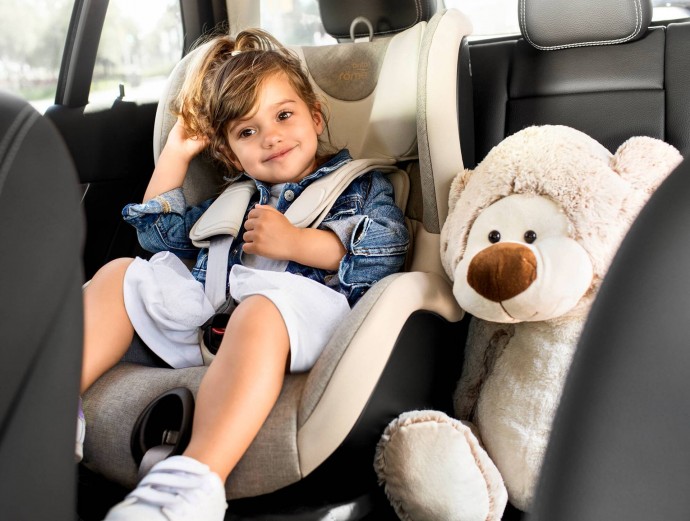
Детское удерживающее устройство — предмет, который нужно купить новорожденному в числе первых, даже если у вас нет машины. Это безопасность и комфорт малыша в любых поездках — в кресле не только снижается риск травм при ДТП, в нем еще уютно спать и отдыхать, при условии что оно подобрано правильно. Расскажем, как выбрать автокресло для ребенка в зависимости от его возраста и особенностей машины, а также покажем лучшие модели от самых надежных брендов.
Основные критерии выбора
Перед тем как выбрать детское автокресло, изучите критерии, от которых зависит качество и уровень безопасности перевозки ребенка. Разберем самые главные.
Тип крепления
Есть два способа крепления: штатные ремни и система ISOFIX — два кронштейна внизу кресла, которые вставляются в анкерные скобы кузова. Такая система считается более безопасной, потому что удерживает конструкцию лучше, чем обычный ремень безопасности. Но не все автомобили оснащены такой системой, поэтому, перед тем как купить детское удерживающее устройство, необходимо убедиться, что оно может быть установлено в конкретном кузове.
Также у модели могут быть дополнительные системы крепления, которые повышают безопасность:
выдвижной упорный элемент удерживает кресло в неподвижном состоянии при фронтальном ударе;
якорный ремень для дополнительной фиксации ребенка.
Ремень безопасности
Ребенок в машине должен быть пристегнут не штатным автомобильным ремнем, а специальным, который установлен в автокресле. Внутренний ремень может иметь от одной до пяти точек соприкосновения с удерживающим устройством — чем их больше, тем выше безопасность. В некоторых моделях используется столик безопасности — специальная конструкция, которая крепится к подлокотникам и не дает малышу выпасть.
Лучше всего выбирать ремень пятиточечный, который распределяет нагрузку максимально равномерно — меньше риск травмы позвоночника в случае аварии.
Перед тем как выбрать автомобильное кресло и оплатить его, убедитесь, что все замки действующие и при этом без усилий открываются, потому что при аварии важно максимально быстро достать ребенка из машины. При этом важно проверить, что ребенок не может самостоятельно их расстегнуть и вылезти из кресла.
Каркас
Основание детского автокресла может быть из пластика или алюминия. Есть также отдельная категория удерживающих устройств — бескаркасные. Они не занимают отдельное место, потому что представляют собой накидку на сиденье с автомобильными ремнями. Это самый дешевый вариант, но и уровень безопасности здесь крайне низкий, потому что в случае удара нет никакой защиты для детского позвоночника. Поэтому лучше выбирать каркасные модели из качественного пластика или алюминия, которые обеспечивают опору ребенку в случае резкого торможения и аварийной ситуации.
Спинка и подголовник
Это еще один критерий, на который обязательно нужно обращать внимание при выборе автокресла. Спинка должна полностью повторять все изгибы детского позвоночника. Этот параметр имеет особое значение, если вы много ездите с ребенком и он проводит в автокресле большое количество времени.
Для маленьких детей важно наличие регулируемой спинки, чтобы кресло можно было быстро превратить в спальное место.
Удобный подголовник и большие подлокотники защищают ребенка от боковых ударов, поэтому на эти элементы тоже важно обращать внимание.
Чехол
Это критерий, который не влияет на уровень безопасности, но определяет, насколько ребенку будет удобно сидеть в кресле. Важно, чтобы чехол был из гладкого материала, который имеет водоотталкивающие свойства — так ребенку ничего не мешает, а за креслом легче ухаживать.
Можно приобрести дополнительный чехол из хлопка, с ним ребенок будет меньше потеть в жару.
Стандарт безопасности и маркировка
Решая, какое автокресло купить ребенку, обязательно обращайте внимание на наличие маркировки, которая показывает, что модель соответствует стандартам безопасности: успешно прошла краш-тесты, а ее характеристики отвечают всем требованиям Единого европейского стандарта.
Пометка содержит следующую информацию:
код соответствия евростандарту;
тип кресла;
весовую категорию;
кодовый номер страны;
номер сертификата;
серийный номер;
сведения о производителе.
Другая полезная информация, которая может быть размещена на детском кресле:
дата производства;
схема правильного алгоритма пристегивания, если ребенок удерживается в кресле с помощью штатных ремней;
знак о том, что конструкцию нужно установить против хода движения автомобиля;
возраст и вес ребенка, когда кресло должно быть установлено по ходу движения, а когда против, если модель поддерживает оба варианта.
Перед покупкой выбранного автокресла не забудьте убедиться, что есть все нужные отметки и маркировки, а у продавца имеется сертификат соответствия.
Испытания ADAC
Краш-тесты проводят многие организации, но самые сложные устраивает немецкий автоклуб ADAC. Помимо стандартных испытаний, они проводят дополнительные и повторяют их дважды в год. При этом у них выше пороговые баллы, которые должны получить модели Так, другие организации проводят испытания на скорости 50 км/ч при лобовом ударе и 35 км/ч — при боковом. У ADAC цифры выше — 64 км/ч для фронтального столкновения и 50 км/ч — для бокового.
Еще одна особенность — максимальное приближение лабораторных испытаний к жизненным условиям, например, дверь салона вдавливается внутрь при боковом ударе. За счет такого подхода оценка ADAC в среднем ниже, чем у других организаций, поэтому при выборе модели особенно важно учитывать их рейтинг.
Как выбрать автокресло, которое подходит для вашей машины
Еще один критерий, как подобрать автокресло правильно — убедиться, что оно подходит для вашего автомобиля. Для этого сначала нужно определить тип удерживающего устройства:
универсальное — подходит для любой машины;
полууниверсальное — есть дополнительные элементы, например, телескопическая конечность, и важно проверить, что в автомобиле предусмотрена такая возможность;
специальная — модель имеет специфическую конструкцию и дизайн, подходит для конкретных автомобилей, поэтому надо проверить, входит ли ваш в этот список.
Даже если вы выбираете универсальную модель, все равно нужно убедиться, что кресло можно установить в машине. Для этого проверьте:
длину штатных ремней — хватает ли их для пристегивания, не давят ли на тело ребенка;
плотность прилегания — для этого нужно поставить кресло на переднее сиденье или заднее, в зависимости от того, где планируете устанавливать;
комфортно ли сажать и доставать ребенка из кресла, хватает ли пространства в салоне — если устройство слишком большое для машины, будет тесно и неудобно, поэтому размеры автокресел тоже важны.
Что такое краш-тесты
Чтобы проверить уровень безопасности, который обеспечивает детское кресло, независимые организации имитируют аварию в лабораторных условиях, а потом разбирают урон, который получил пассажир-манекен. Для анализа проверяют:
уровень защиты, который обеспечивается в случае ДТП;
надежность крепления к сиденью и удержания пассажира;
комфорт пребывания в удерживающем устройстве;
легкость обслуживания;
экологичность.
После испытаний составляется сравнительная таблица, в которой можно посмотреть, какой балл получили конкретные модели автокресел. Проверьте результаты нескольких организаций — так получите максимально объективную оценку детского кресла, которое собираетесь купить.
Типы автокресел
Чтобы правильно выбрать кресло нужно обращать внимание на рост ребенка, его вес и возраст. Именно в этом порядке, потому что один трехлетний малыш может быть выше или ниже другого. На сегодняшний день выделяется 5 основных групп:
категория 0 — до 10 кг, с рождения до 9 месяцев;
категория 0+ — до 13 кг, с рождения до 15 или 18 месяцев;
категория 1 — 9−18 кг, 1−4 года;
категория 2 — 15−25 кг, 3−6 (7) лет;
категория 3 — 25−35 кг, 6−12 лет.
В первых двух типах ребенок едет спиной к движению, в остальных — лицом. Если следовать такой логике перевозки детей, за 12 лет родителям придется сменить четыре удерживающих устройства. Так как не все могут себе позволить подобные траты, появились универсальные модели и кресла с дополнительными функциями, которые можно использовать дольше.
В этом случае разделение выглядит следующим образом:
Категория 0+/1 — здесь можно перевозить детей весом от 0 до 18 кг с рождения до 3,5 лет. Только нужно учитывать, что до года кресло стоит спиной по направлению движения, а потом лицом.
Категория 1−2-3 — подходит для детей весом 9−36 кг и возрастом от 1 года до 12 лет.
Категория 2/3 — для детей весом 15−36 кг от 3,5 до 12 лет.
Особенности каждой группы
Рассмотрим подробно, какую группу автокресел выбрать для каждой возрастной категории.
Группа 0
Если решаете, как выбрать автокресло для новорожденного, обратите внимание на эту категорию. Этот тот самый вариант, который можно взять с собой сразу в роддом, чтобы в безопасности доставить кроху домой. Такие модели также называют автолюлькой из-за сходства с обычной колыбелью.
Особенности кресла данной группы:
подушка безопасности — надежная фиксация и защита головы новорожденного;
лежачее положение, которое соответствует возрастной норме;
широкий удобный ремень, удерживающий ребенка;
возможность установить люльку на коляску — в этом случае можно заносить спящего малыша домой и не будить его.
Главный минус автокресла данной группы — недолговечность использования. Они в целом рассчитаны максимум на 9 месяцев, а если малыш крупный и быстро растет, то уже скоро ему будет в нем тесно. Поэтому чаще родители выбирают следующую категорию удерживающих устройств, в котором ребенка можно перевозить дольше.
Группа 0+
Модели данной категории также выглядят как люлька, но в них есть функция изменения угла наклона — можно перевести ребенка в полусидячее положение, и это их главный плюс по сравнению с предыдущей группой. При этом они также надежно крепятся к сиденью, а ребенка можно зафиксировать трех- и пятиточечными ремнями.
Такие кресла не устанавливают вдоль заднего сиденья, только против хода движения. Но у них также могут быть крепления для установки на прогулочную коляску — зависит от модели.
Группа 1
Автокресла данной группы оснащены трех- или пятиточечными ремнями безопасности и дополнительным столиком, на котором малыш может играть в дороге. Также это дополнительная защита в случае удара.
Такие кресла устанавливаются по ходу движения, главное отличие от предыдущих категорий — в возможности регулировать уровень наклона в трех положениях, так как к этому возрасту ребенок уже может сидеть.
Группа 2
Эта категория кресел также устанавливается по ходу движения. Главное отличие — ребенок удерживается в нем уже не внутренними ремнями, а штатными.
При покупке нужно учитывать, что данная группа удерживающих устройств не встречается в чистом виде, обычно она объединена с категорией 3.
Группа 3
Данная категория предназначена для детей постарше, представляет собой или бескаркасное кресло или бустер — подушку, которая приподнимает ребенка, чтобы его можно было пристегнуть автомобильными ремнями.
Здесь важно учитывать, что нет никакой боковой защиты, поэтому лучше покупать гибридные модели, в которых совмещены категории 2 и 3.
Особенности правильной установки кресла в машину
Чтобы детское кресло обеспечивало максимальную безопасность, соблюдайте следующие правила:
нельзя устанавливать удерживающее устройство на сиденье с подушкой безопасности либо нужно отключить эту функцию;
установка на задний диван безопаснее, чем на переднее сиденье;
важно внимательно изучить все рекомендации производителя перед тем, как закрепить устройство в салоне;
нужно учитывать особенности каждой возрастной группы, например, дети, которым не исполнился год, должны ездить спиной к направлению движения;
максимальная амплитуда покачивания — 2 см, поэтому необходимо проверить плотность крепления автомобильного кресла;
в автолюльках лямки ремней должны начинаться ниже детского плеча, а голова не должна доходить до верхушки удерживающего устройства;
в креслах первой категории и универсальных моделях внутренние ремни, наоборот, должны быть выше плеча;
в креслах второй и третьей категории, а также в универсальных сиденьях, где тело удерживается автомобильными ремнями, они должны проходить через середину детского плеча;
подголовник всегда должен быть выше головы ребенка.
Самые надежные производители автокресел
При выборе автокресла нужно обращать внимание не только на характеристики модели, но и на производителя. Собрали рейтинг брендов с высоким уровнем надежности.
Britax Roemer — производит кресла для всех возрастных групп с рождения до 12 лет. На модели бренда стоит обратить внимание благодаря качественной боковой защите — помимо высоких жестких бортиков, которые прикрыты мягкими вставками, есть вертикальные подушки. Благодаря этому ребенок не только в безопасности, но и чувствует себя комфортно.
Happy Baby — производитель, который делает кресла всех типов — от автолюльки до бустера. Модели отличаются легким весом без ущерба безопасности, поэтому переносить устройство со спящим ребенком внутри могут даже мамы.
Peg-Perego — еще один популярный бренд, который выпускает разные типы кресел для детей всех возрастов. Отличается наличием дополнительных элементов — подстаканники с обеих сторон, дополнительные опоры для повышения безопасности.
Cybex — преимущественно делает кресла категории ½/3. Главная особенность — расширенная плечевая база, благодаря чему ребенку не тесно даже в зимней одежде.
Chicco — делает кресла для разных возрастных категорий, при этом есть специфические модели, например, узкие, чтобы на заднем сиденье помещались двое взрослых кроме ребенка. Компания имеет собственную обсерваторию, которая занимается сбором данных о потребностях детей. Результаты исследований в дальнейшем используются для разработки новых моделей, поэтому у бренда один из самых разнообразных ассортиментов.
Что нужно сделать после покупки
После того как вы выбрали и купили автокресло, советуем:
проверить участки, в которых проходят ремни, и убедиться в их надежности, прикрепить устройство к сиденью строго по инструкции;
«примерить» кресло ребенку — посадить его, пристегнуть, проверить, удобно ли, убедиться, что ничего не давит;
объяснить, что нельзя отстегивать лямки и не стоит вообще трогать ремни;
проверить, насколько удобно ребенку в кресле, когда он в зимней одежде, если до холодов далеко, учесть, что нужен запас, так как она вырастет к этому времени.
После того как вы убедились, что кресло подходит малышу, приобретите чехлы на передние сиденья, чтобы не пришлось постоянно проводить химчистку салона.
Детские автокресла: главное
Детское удерживающее устройство необходимо иметь с самого рождения до достижения ребенком 12 лет. Это обязательное условие безопасной езды в автомобиле.
При выборе модели нужно обращать внимание на такие характеристики, как тип крепления, ремень безопасности, каркас, размеры спинки и подголовников, материал чехла и дополнительные элементы безопасности.
Какое автокресло выбрать — зависит от возраста ребенка, его роста и веса. Важно, чтобы детям было комфортно сидеть даже в зимней одежде, но при этом устройство было надежно закреплено без риска выпасть в случае аварии.
После покупки удерживающего кресла его необходимо правильно установить, соблюдая особенности возрастной группы и конструкции.
При выборе нужно смотреть не только на характеристики конкретной модели, но и на производителя, а также на соответствие требованиям безопасности и результаты краш-тестов.
#автокресло #детскоеавтокресло #ТорМаркет #v-tormarket
https://v-tormarket.ru/news/25-kak-vybrat-detskoe-avtokreslo.html

Пассивный доход на маркетплейсах
Продажи на маркетплейсах – та сфера бизнеса, которая продолжает расти. Обычная торговля требует больших вложений и отнимает время и средства. Аренда торговых помещений, зарплата персоналу, закуп товара и торгового оборудования.
Маркетплейс снимает большую часть забот с предпринимателя. В итоге позволяет снизить цены и привлечь новых клиентов.
Как получить прибыль от маркетплейсов, но не заниматься покупками и продажами самому?
Тор Маркет – уникальный маркетплейс, позволяющий получать паевые выплаты. Продавец получает возможность участвовать в распределении чистой прибыли маркетплейса. Доход зависит от количества долей в пае. Тор Маркет стремится не только сохранить средства, но и приумножить их.
Маркетплейс даёт возможность получать гарантированный пассивный доход в России.
#v-tormarket #TorMarket #ТорМаркет #Маркетплейс #НовыйМаркетплейс #Продажи #Доход #Покупки #Ростпродаж #Пассивныйдоход
https://v-tormarket.ru/news/54-passivnyi-dohod-na-marketpleisah.html

4 апреля 2023
Выбираем качественную ванну, чтобы ванная комната выглядела стильной
Современная ванная комната – не только место, где можно получить релаксацию после трудового дня, насладиться масками, ухаживать за собой. Нередко здесь еще и занимаются стиркой каких-то мелких личных вещей. Поэтому к оформлению этого помещения следует подходить с особой тщательностью. Самым главным предметом, который по умолчанию там должен находиться, это – ванна.Основные рекомендации по выбору ванны
Существует огромный выбор моделей, форм размеров. При этом по своему комфорту они не уступают джакузи. Есть ванны, в которых устанавливается дополнительное оборудование. Например, для самых разнообразных видов водного массажа. Есть модели, которые имеют подголовники, ручки.
Уровень комфорта использования этой большой емкости полностью зависит от ряда факторов:
форма; из какого материала; финансовые возможности; собственные пожелания; размеры помещения, где будет устанавливаться.
У каждого могут быть еще и свои личные предпочтения. Однако, чаще всего выбирают ванну, исходя из вышеперечисленных факторов.Какие бывают ванны
Наиболее важным критерием выбора ванной является ее внешний вид. А также уровень комфорта, который желательно получить при ее использовании. Учитывая все это, следует учитывать основные характеристики.
В современных магазинах продается огромное количество моделей. Поэтому однозначно есть из чего выбрать.
Первое, на что следует обращать внимание это на материал, из которого она сделана:
Чугунные ванны относятся к классическим вариантам. Поскольку в плане долговечности это одни из самых надежных. Важным преимуществом их является отличная толщина стенок. Стальные. Отличаются также неплохим качеством, долговечностью. При этом их вес намного меньше, если сравнивать их с чугунными изделиями. Акриловые. В последнее время становятся достаточно популярными. Поскольку отличаются от первых двух вариантов более низкой стоимостью.
Чугунные ванны
Эти решения считаются классикой жанра. Они очень часто встречаются, особенно в старых домах. Сегодня можно встретить модели, сделанные еще в Советском союзе. В магазинах также продаются самые разнообразные интерпретации.
Важными преимуществами этих моделей являются:
Прочность материала. По прочности с чугуном мало какой материал может сравниться. Эмалированная поверхность. Придает особенную привлекательность. Простота в уходе, устойчивость к воздействию бытовой химии. Поверхность материала отличается отсутствие пор. Поэтому в нее не проникают загрязнения. Она устойчива к растрескиванию. Практически неограниченный срок использования. Если бережно обращаться к ванне, то служить она будет очень долго.
Какие имеются недостатки:
Большой вес (средний вес изделия будет составлять минимум 100 кг). Неустойчивость покрытия к самым разным воздействиям. Если в ванну упал какой-то тяжелый предмет, то на поверхности легко появляются сколы и трещины. Скользкая поверхность. Старые модели, к сожалению, имеют подобный недостаток. В современных часто используется покрытие, которое не имеет такого недостатка.
Важно! Ухаживая за поверхностью сантехники, следует внимательно выбирать чистящие средства. Не стоит использовать бытовую химию, в составе которой присутствуют абразивные вещества.Стальные ванны
Плюсы:
Комфортная толщина стенок. Как правило, это 1,5 -3,5 мм. Особенность производства. Изделия изготавливают с использованием метода штамповки. Покрытие. Чаще всего это эмаль. В бюджетных моделях используются максимальные по составу эмали. Более дорогие бывают покрыты эмалью с добавлением кварца. Вес изделия. Если сравнивать с чугунным аналогом. То здесь весовое преимущество будет очень ощутимо. Весит такая ванна всего 25-50 кг.
Минус:
Особенности монтажа. Требуется надежная фиксация. Поскольку модель легкая, то может потребоваться использование дополнительных элементов для придания ей устойчивости. Быстрее нагревается. Нагреть намного проще и быстрее, если сравнивать с чугуном. Однако и остывает вода также быстро. Неустойчивость к появлению царапин и трещин эмали; Шум. При наполнении ванны слышно, как в нее набирается вода. Исправить такой недостаток можно с помощью специальных прокладок или монтажной пены, которой заполняют щели с внешней стороны.
Важно! Уровень шума можно уменьшить, если использовать специальные прокладки из резины. Их устанавливают на дно емкости.Ванны из акрила
На текущий момент относятся к наиболее популярным. Поскольку выгодно отличаются по стоимости. При этом в них можно наслаждаться комфортом во время принятия процедур не меньшим, чем в ванне из чугуна или стали.
Достоинства:
Особенности производства. Для производства используется пластик, в состав которого входит стекловолокно или сетка из металла. Разнообразие форм и вариантов дизайна. Не теряют своей внешней привлекательности даже после длительного срока эксплуатации. Легкий вес. Это самые легкие ванны. Отлично держит тепло. По этому параметру акрил превосходит даже чугун. Можно выбрать вариант с дополнительными опциями. Например, с гидромассажем. Нескользящее дно.
Недостатки:
Со временем может снижаться прочность самого материала. Отличается неустойчивостью к воздействию бытовой химии. Нельзя наливать воду, температура которой выше 160 градусов. Поскольку пластик имеет свойство плавиться.
Важно! Поверхность ванны будет деформироваться, если использовать очень горячую воду. Температура должна быть не более 160 градусов. В противном случае внешний вид сильно пострадает.Ванны из стекла
Может вызвать некоторое удивление. Тем не менее такие модели существуют. К тому же это уникальная возможность пользоваться по-настоящему уникальным изделием. Они не так часто устанавливаются в квартирах. Существует мнение, что стекло это хрупкий материал.
Однако для производства таких эксклюзивов используют только материалы с отличными показателями прочности. Например, двуслойное стекло.
Преимущества стеклянной ванны:
Оригинальность дизайна. Такая модель станет сама по себе украшением любой ванной комнаты. Прочный материал. Двуслойное стекло способно выдержать серьезные нагрузки. Варианты цветового решения. Можно выбрать на свой вкус. Вариации формы и габаритов. Это может быть отличным решением для небольшого по площади помещения. Экологичность материала. Прекрасно сохраняет тепло воды.
Недостатки:
Не самый простой в уходе материал. Стекло отлично выдерживает чистку абразивными чистящими средствами и не боится бытовой химии. Цена. Многих потенциальных покупателей останавливает стоимость такого изделия.
Важно! Может возникнуть сложность не в подборе бытовой химии для ухода за ванной. Очень сложно устранить разводы и следы капель на ее поверхности.Керамические ванны
Что будет, если объединить в одном изделии достоинства чугунной и акриловой ванны? Конечно же, это будет керамика! Срок эксплуатации практически не ограничен.
Плюсы керамики:
Удерживает нужные показатели тепла. Такая ванна будет обладать всеми качествами настоящего термоса. Отсутствуют недостатки чугуна или стали, которые могут покрываться ржавчиной и царапинами. Огромный срок эксплуатации. Он настолько большой, что ванну можно смело передавать потомкам по наследству!
Недостатки:
Стоимость. Бюджетным такой вариант никак назвать не получится. Легко можно разбить чем-то тяжелым.
Ванны с джакузи
Рассказывая о видах ванн, нельзя пройти мимо джакузи. Они позволяют не просто наслаждаться теплой водой с пеной, но еще и массажем. Поэтому с точки зрения полезности для здоровья, они с легкостью обходят своих конкурентов.
Существует огромное количество моделей. Самые «навороченные» модели имеют системы, способные подавать не только струи воды, но и воздуха. У джакузи можно выделить один существенный недостаток – стоимость.
Кроме того, они достаточно большие и отличаются существенным весом. Поэтому нужно очень хорошо подумать о целесообразности такого приобретения.Важные критерии выбора ванны
Итак, несмотря на всю простоту выбора, существует масса нюансов, обойти вниманием которые сложно. Ванны настолько многообразны, что у покупателя действительно может быть состояние растерянности.
На что же стоит обратить внимание при выборе:
На какой объем рассчитана ванна. Все модели сильно отличаются по количеству воды, который можно набрать. Выбирая большую по объему, нужно учитывать, потенциальный расход воды, а также количество времени, которое потребуется на ее наполнение и на слив воды из нее. Нужны ли дополнительные опции. Некоторые модели имеют дополнительные гидросистемы, которые делают их подобием джакузи. Параметры помещения. В зависимости от размеров ванной комнаты будет подбираться соответствующая модель. Стилистическое оформление помещения.
Выбирая ту или иную модель, нужно учитывать и собственные представления об уровне комфорта, который желательно получить. Ведь именно покупатель будет в итоге пользоваться сантехникой. Поэтому собственные предпочтения и пожелания имеют большое значение.
Вещь должна нравиться. А еще соответствовать собственным финансовым возможностям.Какую форму ванны выбрать
Здесь многое зависит от особенностей самого помещения.
Прямоугольная форма. Отлично подойдет для стандартного по размеру помещения. Если оно имеет классические размеры, то будет отличным вариантом. Такие модели отличаются хорошими показателями эргономичности, к тому же очень удобные. Прямоугольные ванны бывают разных размеров и объемов. Поэтому при необходимости можно выбрать малогабаритную конструкцию. Если площадь помещения позволяет, то отличным вариантом будет полномерное изделие. Угловая конструкция. Чаще всего выпускаются из акрила. Могут оснащаться рядом дополнительных опций, например, гидромассажем.
Угловая ванна может быть сделана из мрамора искусственного происхождения. При это она отличается компактными габаритами и вместительность. При желании можно выбрать оригинальный дизайн.
Асимметричные варианты. Отличаются вместительностью и приличной длиной. В такой ванне без проблем поместится взрослый человек. Ширина тоже вполне комфортная. Сидеть в ней удобно благодаря продуманной конструкции.
Некоторые модели имеют анатомический подголовник. Поэтому можно проводить практически любые спа-процедуры. Существуют правосторонние и левосторонние варианты.
Радиусные конструкции. Отличаются наличием сварной конструкцией рамы. Нередко комплектуются дополнительными опциями. Имеют форсунки и системы защиты от перелива.
Бывают одноместными и двухместными. Также можно выбирать разную комплектацию.
Овальная ванна. Выглядит весьма привлекательно. Имеет оригинальный внешний вид. Отличный вариант для необычного дизайнерского решения.
Станет центром композиции. Месторасположение можно выбирать на свой вкус.Варианты ванн с учетом особенностей помещения
Оформление ванной комнаты – это не только выбор той или иной модели. Здесь особый микроклимат. Красота должно сочетаться с функциональностью. Выбор стиля оформления имеет большое значение.
Некоторые ванные комнаты являются самостоятельным помещением. Нередко, особенно, в небольших квартирах, их объединяют с санузлом. Поэтому продумывая дизайн, нужно учитывать еще и это обстоятельство. Поскольку планировка будет сильно отличаться.
Одно дело, разместить мебель, ванну, вешалки для халатов. А другое – скомпоновать с учетом наличия в помещении еще и унитаза. Нередко попутно унитазу требуется разместить в помещении еще и биде или даже мини-сауну. Поэтому интерьер часто создается, исходя из назначения и личных предпочтений владельцев недвижимости.
Следует учесть еще и такой нюанс. Иногда ванна используется в качестве прачечной. Поэтому попутно мебели и прочих атрибутов там нужно установить трубы, корзины для белья, иногда даже стиральную машину.
Если площадь позволяет, то можно установить туалетный столик. Все зависит от площади ванной комнаты. Чаще всего ванная комната имеет небольшую площадь. Поэтому использовать ее нужно максимально рационально.
Например, можно выбрать угловую ванну, раковину, шкафчик для хранения необходимой косметики и зеркало. По правилам хорошего дизайна рабочая зона не должна быть больше третьей части помещения. Особенно, если она совмещается с санузлом.Какая ванна подойдет именно вам
Важным критерием будут личные предпочтения. Если тщательно продумать дизайн, то можно создать уютное и функциональное помещение. Здесь можно смело воплощать в жизнь современные стили и тенденции.
По мнению специалистов в области дизайна, очень важно сохранять четкость линий и использовать в минимальном количестве мебель. Громоздкий шкаф можно заменить удобным полочками или использовать скрытые системы для хранения. Кроме того, важно продумывать гармоничность решения и придерживаться монохромности.
Отвечая на вопрос, как выбрать ванну, можно дать важный совет. Не стоит забывать о еще одном нюансе, которые позволит не допустить ошибку. Перед поездкой в магазин следует внимательно замерить помещение, где она будет устанавливаться.
При этому нужно продумать, как она будет подключаться. Где будет устанавливаться сифон, система перелива. В какой части помещения располагается смеситель. В том случае, если в ванне предусмотрены дополнительные опции, например, гидромассаж, то потребуется подключение еще и электричества. В ванной комнате потребуется установка розетки, если ее нет. Устанавливая розетку, нужно позаботиться о безопасности.
#какиебываютванны #выбираемванну #ТорМаркет #v-tormarket
https://v-tormarket.ru/news/26-vybiraem-kachestvennuyu-vannu-chtoby-vannaja-komnata-vygljadela-stilnoi.html

Может ли самозанятый торговать на маркетплейсах?
Регистрация на маркетплейсах в качестве продавца возможна, если вы являетесь индивидуальным предпринимателем или представляете юридическое лицо. На данный момент это обязательные условия. Самозанятые может продавать на Тор Маркет свои товары, имея статус ИП.
Как заработать на маркетплейсе, если вы не предприниматель? Новая торговая площадка Тор Маркет v-tormarket.ru позволяет вложить средства в потребительский кооператив и участвовать в распределении прибыли.
Как это работает? Вы приобретаете пай и получаете гарантированный доход. Вложения идут на развитие площадки и её маркетинг. Тор Маркет обеспечивает комплексное использование средств, активов и возможностей всех участников проекта для достижения общей цели на основе долгосрочной перспективы. Все доли надежно защищены. Есть возможность возврата средств, передачи пая по наследству.
Ежегодный рост стоимости вложенных денег в маркетплейс – 75–200 %.
#v-tormarket #TorMarket #ТорМаркет #Маркетплейс #НовыйМаркетплейс #Продажи #Доход #Покупки #Ростпродаж #Пассивныйдоход
https://v-tormarket.ru/news/59-mozhet-li-samozanjatyi-torgovat-na-marketpleisah.html

3 апреля 2023
Как заработать на маркетплейсе Tor Market?
Те, кто ищут возможность заработать или открыть свой бизнес, задаются вопросом как заработать на маркетплейсах?
Маркетплейсы, в отличии от других сфер бизнеса, действительно позволяют получить доход при минимальных вложениях. Это происходит за счёт значительного снижения издержек. Продавцу на торговой площадке не нужно оплачивать дорогую аренду, платить зарплату персоналу, вкладывать средства в привлечение клиентов.
Тор Маркет – уникальная торговая площадка. На маркетплейсе представлен широкий ассортимент различных товаров и продуктов. Использование современных инновационных технологий позволяет снизить время загрузки товаров. Не нужно привлекать сторонних специалистов для настройки продаж.
Кроме того, маркетплейс является частью потребительского кооператив, который позволяет всем желающим получить прибыль от продаж. Паевые взносы в потребительском кооперативе используются для реализации рекламной и маркетинговой стратегии торговой площадки.
#v-tormarket #TorMarket #ТорМаркет #Маркетплейс #НовыйМаркетплейс #Продажи #Доход #Покупки #Ростпродаж #Пассивныйдоход #Торговаяплощадка
https://v-tormarket.ru/news/57-kak-zarabotat-na-marketpleise-tor-market.html