

29 марта 2023

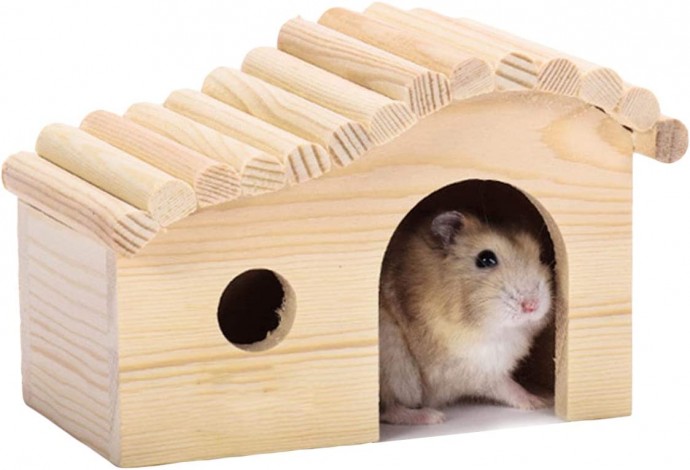
Выбираем домик для хомяка
Каким должно быть идеальное жилище хомячка? Самое главное, чтобы в домике этого зверька было комфортно, чисто и безопасно. Вы легко создадите такие условия, если учтёте несколько моментов при обустройстве хомячьего дома.
Клетка или аквариум?
Классическое место обитания хомячка в квартире — клетка с пластиковым днищем и решётчатым верхом. Этому грызуну важен простор, поэтому минимальный размер основания клетки должен быть 50х30 см, оптимальный — от 100 см по длинной стороне дна. Также обратите внимание на то, чтобы бортики поддона были высокими, а расстояния между прутьями не слишком широкими (ширина между прутьями клетки для джунгарского хомяка не должна превышать 0,5 мм, сирийского — 10 мм).
Обитая в таком домике, хомячок будет с удовольствием лазать по прутьям. Чтобы ещё больше разнообразить жилое пространство любимца, можно купить ему клеть в два этажа, соединённых между собой пластиковыми или металлическими лесенками. Обычно клетки служат долгое время, а благодаря выдвижному дну их легко чистить. Ещё одним плюсом этого жилища является хорошая циркуляция воздуха за счёт решётки. Если у вас живёт кошка или собака, конструкция клетки превращается в недостаток: «старший» питомец может легко достать зверька, просунув лапу между прутьями. Учитывайте и то, что хомяки — большие любители рыться в наполнителе, поэтому пространство вокруг клетки практически всегда будет усеяно опилками.
Эти две проблемы поможет решить аквариум — ёмкость из стекла, оргстекла или пластика с сетчатой крышкой из металла или дерева. Сплошные прозрачные стенки такого жилья обеспечивают безопасность хомячка и отличную видимость: вы сможете беспрепятственно наблюдать за подопечным со всех сторон. Однако в аквариуме хомяк уже не сможет активно карабкаться по стенкам, поэтому внутреннее пространство необходимо оборудовать приспособлениями для лазанья: лесенками или перекладинами.
Ящик не должен быть высоким, иначе внутри него будет стоять специфический запах и духота. В специальных аквариумах для хомяков для нормального проветривания предусмотрены небольшие дырки в стенках. Стеклянная или пластиковая клетка даже с хорошей вентиляцией, в отличие от клетки обычной, требует регулярной влажной уборки. Габаритный аквариум мыть затруднительно, но если у него есть выдвигающиеся стенки, то эта задача упрощается. Также необходимо следить за тем, чтобы верхняя решётка надёжно крепилась к аквариуму и была плотно закрыта, иначе зверёк может сбежать.
Есть ещё один вид жилья для домашнего хомяка — пластиковая конструкция в виде нескольких камер, соединённых между собой тоннелями. Такая система напоминает естественную нору хомяка с многочисленными ходами, но стоит она гораздо дороже традиционной клетки или аквариума. Домик-лабиринт подходит далеко не всем хомякам: для беременных самок и крупных сирийских хомяков трубы слишком узки, а карликовым хомячкам сложно карабкаться вверх по гладким переходам. Подобное жилище трудно содержать в чистоте, оно плохо проветривается и хомячий запах в нём появляется довольно быстро.
Определившись с видом жилья для питомца, выберите место в квартире, куда поставите его дом. Поскольку хомяк — это ночное животное, клетку лучше размещать так, чтобы днём зверёк мог спокойно спать, а ночью не мешал отдыхать вам. Жилище хомячка не должно стоять на сквозняке, под прямыми солнечными лучами и вблизи отопительных приборов. Выбирайте для него ровную устойчивую поверхность — тумбу, полку или стол. Важно, чтобы рядом с клеткой не было занавесок, покрывал, бумажных изделий или комнатных растений: хомячок может добраться до них и использовать в качестве стройматериала для гнезда.
Какой должна быть подстилка?
В жилище хомяка обязательно должна присутствовать подстилка. Лучшего всего насыпать специально подготовленные опилки средней фракции, продающиеся в зоомагазинах: они не содержат токсичных веществ, хорошо поглощают влагу и запахи. Минус опилок в том, что у зверька может возникнуть аллергия на их определённый вид.
В качестве подстилки подойдёт прессованный опил, древесные гранулы, кукурузный или целлюлозный наполнитель, мягкая бумага. Ни в коем случае не годятся вата и другие синтетические волокна, газеты, наполнитель для кошачьего туалета!
Не забудьте положить в клетку предназначенное для грызунов сено, которое вы найдёте в зоомагазине. Оно будет использовано как в качестве важной составляющей рациона хомячка, так и для постройки гнезда. Материалом для обустройства норки также могут послужить бумажные салфетки.
Хомяки очень чистоплотны и для туалета обычно выбирают один участок клетки. Необходимо 1-2 раза в день чистить туалетный угол, вынимая совочком содержимое и досыпая новые опилки. Чтобы упростить уборку, разместите в этом закутке специальный лоток для мелких грызунов. При еженедельной уборке в клетке не стоит менять всю подстилку, поскольку животное не почувствует родной запах жилища и будет нервничать. Вместе со свежим наполнителем добавьте опилки или гранулы из предыдущей подстилки, что позволит сохранить привычный для зверька запах его дома.
Как оснастить жилище хомяка?
У комнатных хомяков сохранилась природная потребность в многокилометровых пробежках, поэтому в клетке обязательно должно быть беговое колесо. Этот спортинвентарь подбирается с учётом размеров питомца. Лучше купить колесо со сплошной поверхностью, чтобы животное не повредило лапки. Тренажёр может крепиться к стенке жилища или устанавливаться на дно.
Позаботьтесь о том, чтобы в своём жилье хомячок как можно интереснее проводил время. Этому активному и любопытному созданию по душе придутся всевозможные устройства для лазанья: тоннели, мостики, перекладины, лестницы. В продаже часто можно встретить клетки уже оборудованные колесом и прочими приспособлениями.
Очень нравятся хомякам специальные домики для грызунов. В таком укрытии они могут устроить кладовку или место для отдыха.
Для кормления используйте две небольшие мисочки: под сухой и сочный корм. Питьё не стоит подавать в обычной миске, поскольку вода будет часто проливаться и мочить подстилку, лучше приобрести специальную подвесную поилку для грызунов.
Важный критерий выбора аксессуаров для клетки — их безопасность для зверька. Все предметы хомячьего обихода должны быть устойчивыми, без острых углов и сделаны из безвредных материалов.
Помните, что хомячок — педантичный хозяин своего дома. Для игр, сна, питания и туалета он отводит разные участки жилища, и нарушать заведённый любимцем порядок нельзя.
#домдляхомяка #жилищехомяка #ТорМаркет #v-tormarket
https://v-tormarket.ru/news/46-domik-dlja-homjaka.html

28 марта 2023

The Satta King is a deadly bowling league paddle. That is what it was designed for. It is a full sized paddle that can do some serious damage to any novice players who don't have the slightest idea on how to handle or improve their skills on bowling. That is exactly the reason why many people love to
https://sattakingm.in/
#Satta, #Satta_King, #SattaKing, #AJMERKING, #sattakingfast, #playbazaar, #blacksattaking, #blacksatta , # shalimargame, # sattaking, #delhisattabajar, #दिल्लीदिसाव

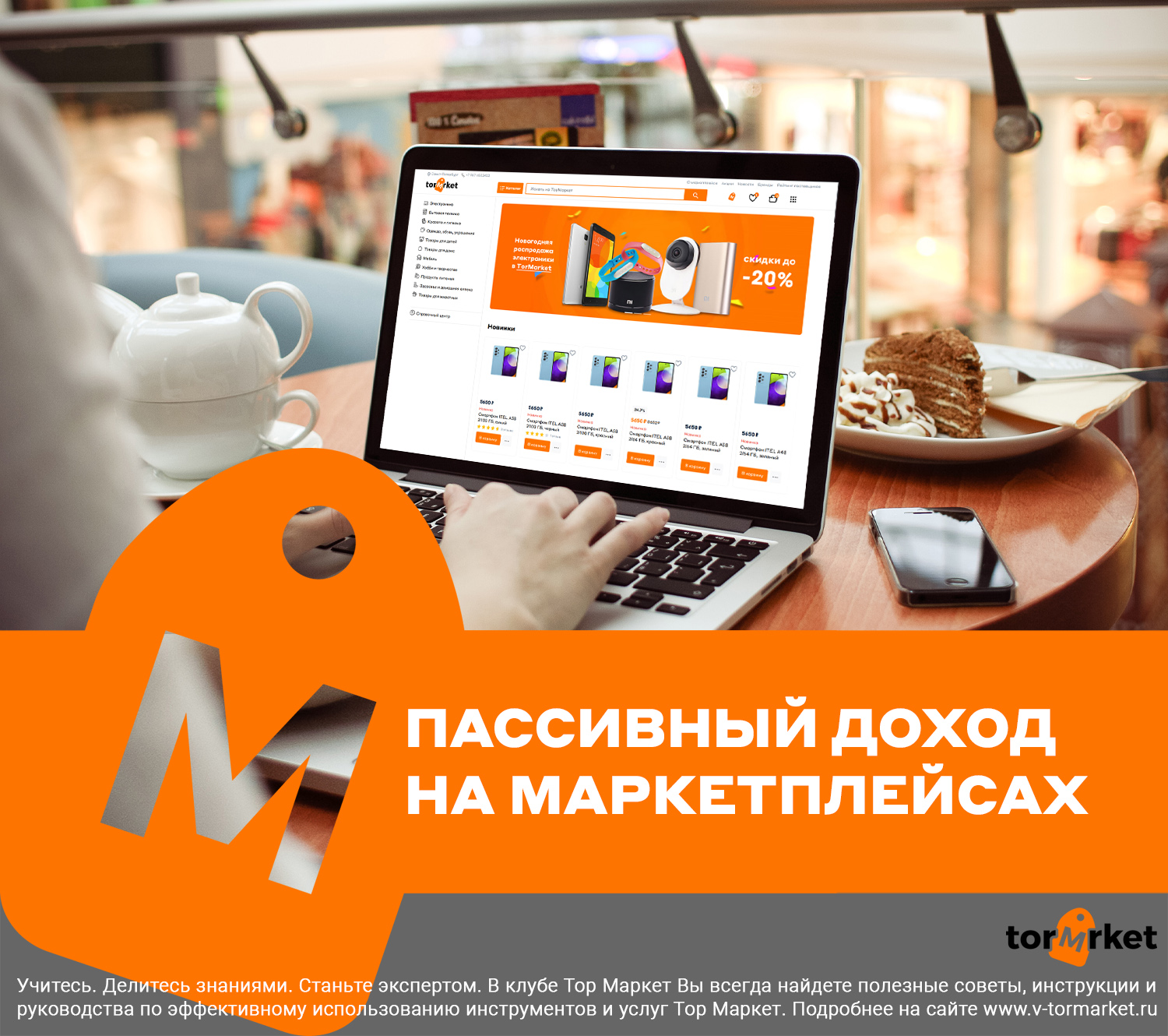
Подобрать товары для маркетплейсов, которые обеспечат гарантированную
прибыль и быструю окупаемость – задача не для новичка. Между тем,
маркетплейсы являются одной из самых доходных и развевающейся сфер
бизнеса.Как заработать деньги при помощи маркетплейса Тор Маркет, если опыта интернет-продаж не много?Можно
получать доход от всех продавцов, представленных на торговой площадке.
Такую возможность предлагает маркетплейс Тор Маркет. Это уникальный
маркетплейс, позволяющий получать паевые выплаты. Сумма зависит от
количества долей в пае. Целевые паевые взносы в Тор Маркет используются
для реализации рекламной и маркетинговой стратегии торговой площадки.
Таким образом продавец получает возможность участвовать в управлении v-tormarket.ru, что невозможно на других площадках.Паи
– это дополнительные источники пассивного дохода. Становиться продавцом
на торговой площадке, чтобы получить прибыль необязательно.

Продажи на маркетплейсах – та сфера бизнеса, которая продолжает
расти. Обычная торговля требует больших вложений и отнимает время и
средства. Аренда торговых помещений, зарплата персоналу, закуп товара и
торгового оборудования.Маркетплейс снимает большую часть забот с предпринимателя. В итоге позволяет снизить цены и привлечь новых клиентов.Как получить прибыль от маркетплейсов, но не заниматься покупками и продажами самому?Тор Маркет – уникальный маркетплейс, позволяющий получать
паевые выплаты. Продавец получает возможность участвовать в
распределении чистой прибыли маркетплейса. Доход зависит от количества
долей в пае. Тор Маркет стремится не только сохранить средства, но и
приумножить их.Маркетплейс даёт возможность получать гарантированный пассивный доход в России.
Как выбрать чемодан для путешествия
Уже купили билеты в отпуск? Значит, пора подумать, куда положить купальники, шорты и другие нужные в путешествии вещи. Мы составили инструкцию, как выбрать чемодан, который выдержит не одну поездку и будет радовать глаз.Размер: габариты и объем
Первое, с чем нужно определиться, ― размер чемодана. Как правило, производители выпускают чемоданы в трех вариантах:
Размер S ― объемом до 50 л и высотой до 55 см. Подойдет для коротких командировок и поездок на выходные. Главное преимущество: большинство авиакомпаний разрешают брать такой чемодан в салон самолета как ручную кладь. Размер М ― объемом 50–90 л и высотой до 70 см. Идеален для одного-двух человек и поездки на пару недель. Размер L ― объемом 90–120 л и высотой до 80 см. В такой поместится всё необходимое для большого семейного отпуска.
При желании можно найти модель объемом 150 л и высотой больше 80 см. Но из-за массивных габаритов пользоваться таким чемоданом не слишком удобно. Вдобавок, если его загрузить полностью, он может весить больше 23 кг, а за перевес придется платить.Материал: пластик, металл или ткань
Тканевые чемоданы обычно делают из нейлона и полиэстера. Им не страшны царапины и трещины, но от сильного удара ткань может порваться. К такому чемодану лучше сразу купить чехол — не понадобится тратить деньги на обмотку чемодана пластиком, а еще вы будете быстрее его замечать на ленте с багажом.
Многие модели текстильных чемоданов позволяют увеличивать объем и имеют внешние карманы для мелочей. Тканевый чемодан без жесткого каркаса можно компактно сложить на хранение, и он добавит к весу не больше 4 кг.
Пластиковые чемоданы за счет жесткого корпуса лучше защищают содержимое от дождя и повреждений. Их легко мыть. Главный минус ― без чехла трудно избежать царапин на корпусе, а при сильном ударе он и вовсе может треснуть. Пластиковые чемоданы размеров S и M обычно весят 3,5–4 кг, но встречаются и облегченные версии ― до 3 кг.
Производители используют пластик нескольких видов:
ABS-пластик ― недорогой, но хрупкий. Поликарбонат — более устойчив к повреждениям. Полипропилен ― материал с самыми высокими показателями жесткости. Стоит дороже первых двух. Сurv ― разработка марки Samsonite из переплетенных волокон полипропилена. Производитель утверждает, что это самый прочный и долговечный вид пластика.
Алюминиевые чемоданы ― редкость, но встречаются. Делают их из сплава алюминия и магния или анодированного алюминия. Они прочнее, выглядят добротнее и дороже текстильных и пластиковых. Но тяжелые (маленькие чемоданы весят от 4 кг) и дорогие. Большинство моделей стоят 50 тысяч рублей и больше.
Чемоданы из натуральной кожи менее износостойкие, чем те, что изготовлены из современных материалов. Модели размера S весят от 3,5 кг, а стоят от 40 тысяч рублей.
Чемодан может быть продолжением вашего стиля. Чем необычнее цвет и текстура, тем проще его заметить на выдаче и сложнее перепутать с чужим багажом на ленте. Ярко-желтых, нежно-розовых и светло-зеленых чемоданов на одном рейсе, скорее всего, будет немного.Что внутри: ремни и карманы
Удобно, когда внутри чемодана есть карманы для мелочей, чехол для одежды и ремни, которыми можно закрепить сложенные вещи. В некоторых моделях есть отделения для ноутбука ― хороший вариант для деловых поездок. И даже отдельные карманы, в которых удобно разместить одежду.
Учтите, что дополнительные отделения отнимают полезную площадь чемодана.Колеса: два или четыре
Чемоданы бывают с двумя или четырьмя колесами. Двухколесный легче едет по неровным дорогам, но без поддержки стоять не может. И если вес большой, вы быстро устанете его везти.
Чемодан на четырех колесах устойчивее и маневреннее, его нужно лишь слегка подталкивать. Но по кочкам и брусчатке его толкать тяжело, а везти на двух колесах не рекомендуют, чтобы не сломать из-за неправильного распределения веса. Через неровные поверхности его придется переносить.
Решение — чемоданы со сдвоенными колесами. Они еще более устойчивы на ровных поверхностях и легко справляются с неровностями.
Материал и размер колес тоже имеет значение. Самыми прочными считаются силиконовые и полиуретановые. И чем больше их размер, тем лучше проходимость. Также обращайте внимание на расположение колес: утопленные в корпус сложнее сломать.Ручки: телескопическая и для переноски
В чемодане должно быть как минимум две ручки. Одна — телескопическая, чтобы его везти, вторая ― для переноски. За выдвижную ручку поднимать чемодан нельзя, если не хотите ее сломать. Проверьте, чтобы телескопическая ручка легко выдвигалась, фиксировалась в разных положениях, была удобной длины и утапливалась в корпус.
Ручка сбоку тоже пригодится — удобнее будет класть чемодан на ленту при осмотре багажа.Защита: замки и бирки
Чемоданы закрываются с помощью молнии или защелок. Если вы выбираете классику, проследите, чтобы молния не заедала и на ней было два бегунка ― удобнее закрывать чемодан с двух сторон. Чтобы чемодан случайно не раскрылся, используйте кодовый замок. Если нет встроенного, можно купить отдельный.
Чемодан на защелках, со встроенным кодовым замком, закрывается быстро и герметично. Главное ― не забывать код, иначе чемодан придется взламывать.
Кодовый замок TSA пригодится для полета в США. Таможенные службы могут открыть его для досмотра универсальным мастер-ключом, не сбивая код и не взламывая чемодан.
В ручку чемодана может быть встроена бумажка с полем для контактов. Обязательно напишите на ней свое имя, электронный адрес или телефон. Если такой нет, стоит прикрепить бирку для чемодана. Она увеличит шансы найти багаж.Коротко
Выбирая размер чемодана, ориентируйтесь на правила авиакомпании и количество вещей, которое вы привыкли брать с собой в путешествие. Чемоданы размера S обычно подходят под требования ручной клади — их можно брать с собой на борт. Лучше, если чемодан будет легким, чтобы избежать перевеса. Дополнительные карманы и ремни помогут аккуратно сложить одежду и мелочи. Чемоданы на двух колесах удобнее катить по неровной дороге, зато модели на четырех устойчивее и маневреннее на ровных поверхностях. Ручек должно быть две или больше: обязательно выдвижная и для переноски. Хорошо, если у чемодана есть кодовой замок и бирка. Замок защитит содержимое от злоумышленников, а бирка поможет быстрее найти багаж в случае утери.
#чемодан #каквыбратьчемодан #ТорМаркет #v-tormarket
https://v-tormarket.ru/news/47-kak-vybrat-chemodan-dlja-puteshestvija.html